FAQ and News
FAQ and News
Frequently Asked Questions
Everything you need to know about storage, safety, collection, and compliance.
How should we store used batteries before collection?
Are damaged batteries dangerous?
Can fire extinguishers go in a skip bin?
How do I book a collection?
Is there a minimum quantity?
Can you do regular scheduled pickups?
What documentation do we receive?
Are you licensed to transport dangerous goods?
What battery types do you collect?
Do you take household batteries?
Do you collect scrap metal?
Do you pay for batteries?
News
Occasional updates and articles from GCRR, covering new equipment, service region expansions, community collection initiatives, and compliance updates.
-
How to Identify Different Battery Types
Many people toss batteries without knowing what type they are, and that’s a big problem for recycling. When you can identify battery types like lead-acid or lithium, you help stop harmful materials from polluting the environment. This guide will show you how to spot each battery type and explain why it makes a real difference…
-
The Hidden Dangers of Improper Battery Disposal
A call to protect our Communities! Improper battery disposal endangers both your community and the environment by allowing toxic chemicals to leak into soil and water. Understanding these risks is key to adopting safer disposal practices, highlighting the pivotal role of battery recycling. Battery waste releases harmful substances as it breaks down, threatening the environment…
-
Did You Know?
Most Batteries in Australian Landfills Leak Harmful Toxins. Most batteries tossed into Aussie landfill sites don’t just sit quietly, they leak harmful toxins that pollute soil and water. This toxic waste creates a serious environmental impact that hits local ecosystems and communities hard. If you handle battery waste, learning the right way to recycle can…
-
Why Recycling Batteries Matters
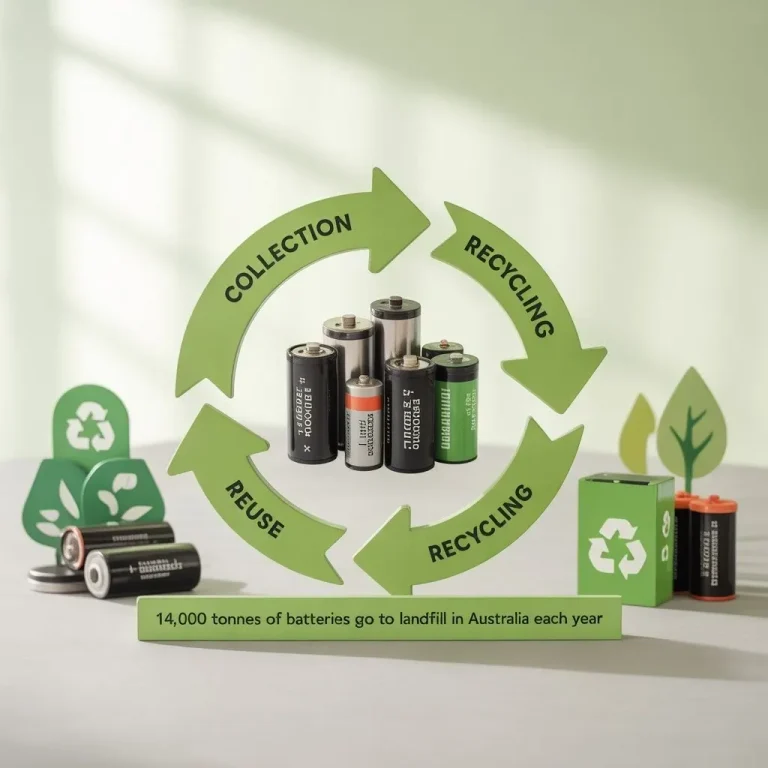
Every year in Australia, an estimated 14,000 tonnes of batteries end up in landfill. That’s a huge amount of hazardous material being buried in the ground, and it poses serious risks to both people and the environment. At Gold Coast Recycling Resources (GCRR), we’re passionate about making sure every battery is handled safely and recycled…
Need Further Guidance?
Whether you have specific compliance questions or are ready to arrange a commercial collection, our resource recovery specialists are available to discuss your tailored requirements.
Need Further Guidance?
Whether you have specific compliance questions or are ready to arrange a commercial collection, our resource recovery specialists are available to discuss your tailored requirements